The Luxury eco friendly Inca Trail represents a new era of travel where comfort and environmental responsibility coexist. The Inca Trail is more than a legendary route to Machu Picchu — it is a journey through history, a communion with nature, and a reflection of how we choose to explore the world. In recent years, the concept of “luxury” has evolved. It is no longer defined solely by exclusivity or amenities but by awareness, sustainability, and respect for the Andean environment.
Table of Contents
Below are the essential environmental practices on the Inca Trail that define today’s eco-luxury approach.
Essential Sustainable Practices on the Luxury Eco Friendly Inca Trail
Sustainable Camps and Biodegradable Materials
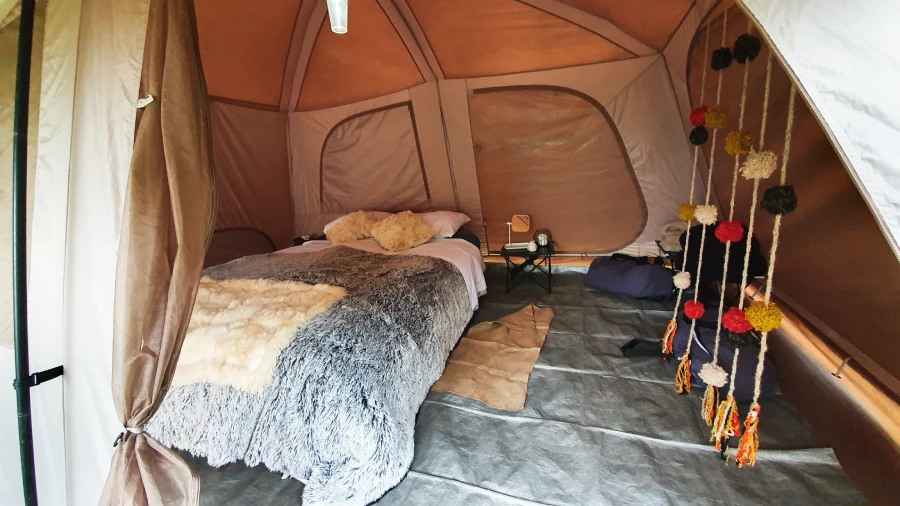
Responsible operators design temporary eco-friendly camps to minimize environmental impact. From recyclable tent materials to biodegradable utensils, every detail aims to reduce waste and preserve the Andean ecosystem. Support teams ensure that each campsite is left in pristine condition — a core principle of sustainable Inca Trail trekking.
Responsible Waste Management
Strict adherence to the Leave No Trace philosophy is one of the pillars of responsible tourism on the Inca Trail. Waste is separated and carried out of the trail for proper disposal. Even organic waste is managed carefully to avoid contaminating soil and rivers. These small but vital practices protect the landscape for future travelers.
Use of Renewable Energy
Some eco-luxury expeditions integrate renewable energy solutions, such as portable solar panels, to reduce reliance on fossil fuels. These systems help charge communication devices and power low-impact lighting, reducing carbon emissions and supporting harmony with the natural surroundings.
Local and Organic Cuisine
Fresh, locally sourced ingredients are at the heart of eco-luxury travel in Peru. Meals highlight the diversity of Andean agriculture — quinoa, native potatoes, aromatic herbs — while also supporting small local producers and reducing transportation emissions. This culinary approach deepens the connection between travelers and the land.


Well-being of Local Teams
Luxury is also reflected in the fair treatment of those who make the journey possible. Responsible operators ensure dignified working conditions, appropriate gear, and fair wages for porters, guides, and cooks. This commitment strengthens social sustainability and honors the cultural legacy of Andean communities.
Protection of Cultural Heritage
Walking the Inca Trail is like navigating a living museum. Sustainable practices include staying on authorized routes, respecting archaeological structures, and following all park regulations. Guides play a fundamental role by sharing the historical and spiritual significance of each site, enriching the experience while protecting cultural heritage.
Reforestation and Conservation Efforts
Many programs incorporate conservation actions such as planting native trees or contributing to the restoration of areas affected by erosion or climate change. These initiatives help offset the environmental impact of tourism and allow travelers to contribute positively to the Andean ecosystem.
Reducing Plastic Use
Minimizing single-use plastics is essential in preserving rivers, trails, and wildlife. Many operators provide refillable water stations and encourage the use of reusable bottles and eco-friendly bags. This daily commitment significantly reduces waste along the trail.
FAQs About the Luxury Eco-Friendly Inca Trail
A Transformative and Responsible Journey
The Inca Trail offers a deeply transformative experience where luxury and sustainability blend naturally. Each step encourages reflection, every meal honors the richness of the land, and every responsible action helps preserve the magnificence of the Andes.
Luxury Inca Trail Tours embodies this balance between comfort and environmental respect, inviting travelers to discover the authentic essence of the Luxury eco friendly Inca Trail — a journey that celebrates nature, culture, and the privilege of traveling with purpose.